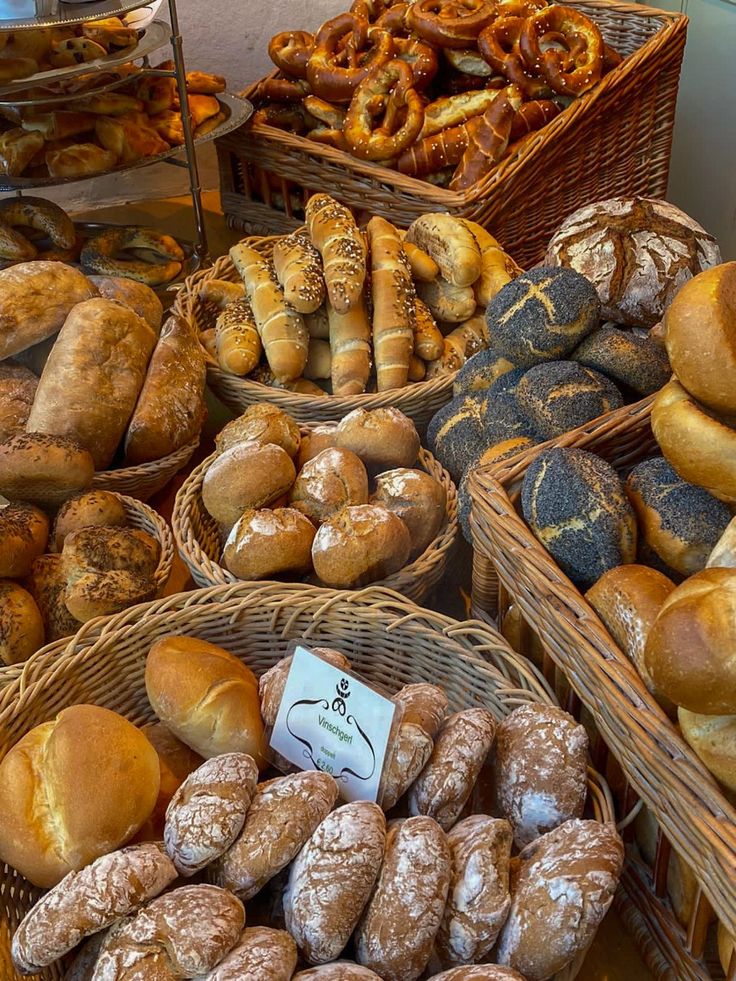
What Makes a Bakery Traditional
A traditional bakery is a place where time-honored methods take priority over speed and mass production. In these bakeries, you will find no automated https://www.krishna-bakery.com mixers that churn out hundreds of loaves per hour. Instead, you see bakers working with their hands, feeling the dough, and trusting their senses. Traditional bakeries often use stone-hearth ovens, wooden proofing baskets, and simple tools passed down through generations. The ingredients are minimal: flour, water, salt, yeast or sourdough starter, butter, sugar, and eggs. There are no dough conditioners, preservatives, or artificial flavors. The magic of baking in such a setting comes from the baker’s skill, patience, and deep understanding of fermentation and heat.
The Role of Sourdough in Traditional Baking
Sourdough is the heart of traditional baking and one of its most magical elements. Unlike commercial yeast which produces quick, predictable results, a sourdough starter is alive. It is a mixture of flour and water that captures wild yeasts and bacteria from the air. Maintaining a starter requires daily feeding and careful attention to temperature. In return, the starter gives bread a complex flavor profile that ranges from mildly tangy to sharply sour depending on its age and feeding schedule. Traditional bakers often have starters that are decades or even centuries old. Each loaf of sourdough is unique because the starter changes with the environment. This unpredictability is part of the magic.
The Techniques That Create Magic
Traditional baking involves techniques that seem like alchemy to the untrained eye. Lamination is the process of folding butter into dough repeatedly to create hundreds of paper-thin layers, which results in flaky croissants and puff pastry. Autolyse is a resting period after mixing flour and water but before adding salt and yeast, which strengthens gluten naturally. Scoring is the art of slashing dough just before baking to control where the bread expands, creating an ear and a beautiful pattern. Slow fermentation in a cool environment allows flavors to develop fully. Each technique requires practice and intuition. When done correctly, these methods transform simple ingredients into extraordinary baked goods that feel almost magical.
The Sensory Experience of a Traditional Bakery
Walking into a traditional bakery is a feast for the senses. First, you smell the deep, nutty aroma of caramelized crust and the faint sourness of fermenting dough. Then you see the visual beauty of golden-brown loaves, dusted with flour and scored with artistic patterns. You hear the crackle of a fresh baguette as it cools and the soft thud of loaves being turned out of baskets. When you touch a loaf, you feel the crisp crust giving way to a soft, resilient crumb. Finally, you taste the product, and that is where the magic truly happens. The flavors are clean, honest, and deeply satisfying. No shortcuts, no fake butter flavor, just real baking.
Why You Should Discover This Magic Yourself
Discovering the magic of baking at a traditional bakery is an experience that changes how you think about food. Once you have eaten real sourdough from a stone-hearth oven, it is hard to go back to mass-produced bread. Once you have tasted a croissant made by hand with real butter, supermarket versions taste flat and dry. Traditional bakeries also serve as community anchors, places where people gather to buy their daily bread and share news. You can participate by taking a baking class, volunteering to help with a bake, or simply asking the baker questions. The magic is not hidden; it is alive and waiting for you. Step inside a traditional bakery soon and let yourself be amazed.